
WAF comparison
SafeLine vs open-appsec
Compare SafeLine and open-appsec for self-hosted WAF evaluation, Kubernetes paths, API protection, and operating model.
Quick answer
SafeLine vs open-appsec: bottom line
Choose SafeLine when Docker-first self-hosted WAF packaging matters. Choose open-appsec when Kubernetes and API security positioning are central to the evaluation.
- SafeLine
- Self-hosted apps
- open-appsec
- API security
- Decision
- Best for teams comparing packaged self-hosted deployment with cloud-native WAF and API security options.
| Area | SafeLine | open-appsec | WAFWiki note |
|---|---|---|---|
| Primary fit | Self-hosted app protection and reverse proxy WAF evaluation | Cloud-native WAF and API security evaluation | Both can appear in open-source WAF research, but they are shaped for different deployment decisions. |
| Deployment path | Docker, Linux, and self-hosted routes | Kubernetes, NGINX, and API-facing routes | Validate against the actual traffic entry point before comparing features. |
| Operations | Product-oriented self-hosted operations | Cloud-native policy and integration planning | The better choice depends on who owns ingress, WAF policy, and alert response. |
| Pricing model | Free / Paid | Free / Paid | Validate feature packaging, traffic volume, support, and required managed rules before comparing cost. |
| License and support | Open source with commercial options | Open source with commercial options | Support expectations can change the practical cost and rollout risk. |
| Integration surface | Reverse Proxy / Web Apps / APIs | Kubernetes Ingress / Nginx / API gateways | Integration fit determines how quickly the WAF can be tested in the real traffic path. |
| Key controls | Web attack detection / Bot challenge / Rate limiting | WAF / API protection / Machine-learning positioning | Treat feature claims as test cases for the proof of concept. |
| Operations ownership | Self-operated deployment | Self-operated deployment | This determines who owns monitoring, upgrades, tuning, incident response, and rollback. |
| Best-fit workload | Self-hosted apps / Developer teams / Docker deployments | API security / Kubernetes environments / Modern WAF evaluation | Shortlist the option that matches the team and architecture before deep tuning. |
| Source confidence | 3 source links tracked | 3 source links tracked | Prefer pages with current official documentation, repository, or product references. |
Workflow model
Read the comparison through a traffic-flow diagram.
Use the diagram to separate a Docker-oriented self-hosted proxy path from cloud-native ingress and API-security integration paths. The traffic entry point should choose the experiment.
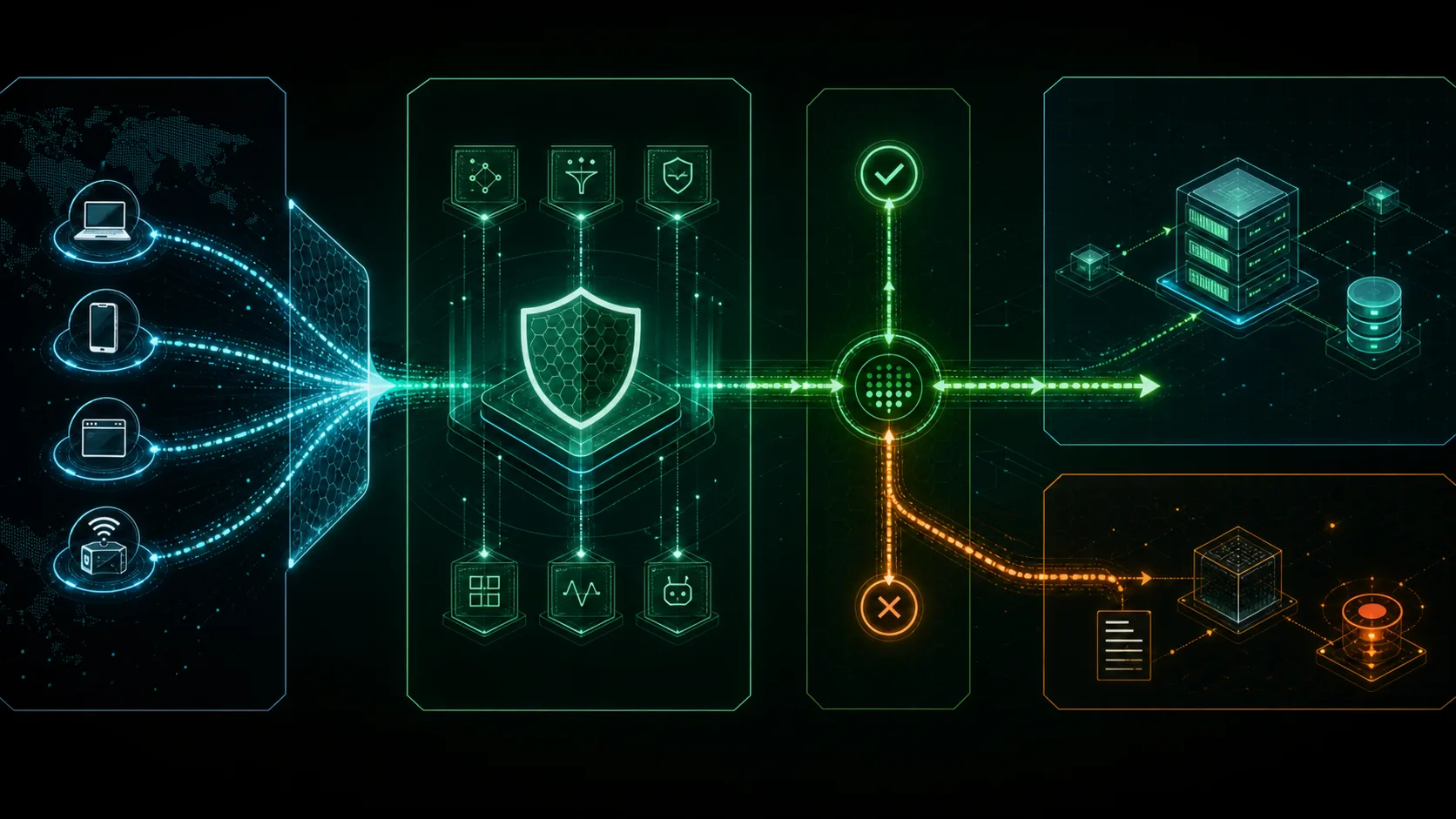
- Client traffic
- Network entry point
- WAF inspection layer
- Policy decision
- Allowed request to origin
- Blocked request evidence
How to validate this choice
- Test SafeLine and open-appsec behind the same staging hostname or protected route when the architecture allows it.
- Compare SafeLine's Docker / Linux path with open-appsec's Kubernetes / Nginx path before comparing feature lists.
- Replay clean login, upload, API, and admin workflows before using blocking actions.
- Record rule matches, false positives, latency, logging detail, ownership, and rollback steps for both options.
Scientific comparison rule
Compare the exact Docker, NGINX, Kubernetes, or gateway integration intended for production rather than generic product claims.
SafeLine
SafeLine is a self-hosted WAF and reverse proxy often evaluated by teams that want local enforcement, Docker-first deployment, and a free path before commercial expansion.
Read SafeLine profileopen-appsec
open-appsec positions around modern WAF and API security with open-source deployment options and integrations for cloud-native entry points.
Read open-appsec profile